
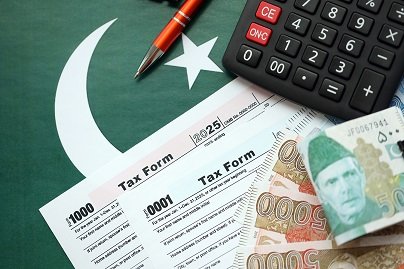
Pakistan income tax is a federal tax imposed on taxable income earned by individuals, businesses, companies, and other taxpayers. The Federal Board of Revenue (FBR) administers income tax in Pakistan under the Income Tax Ordinance, 2001 and related tax laws.
Whether you are a salaried employee, retiree, business owner, freelancer, student, or another type of taxpayer, understanding how Pakistan income tax works can help you determine whether you need to file a tax return, how your taxable income is calculated, and which tax rates may apply to you.
The tax rules can change from one tax year to another. For the current tax year beginning July 1, 2026, the Finance Act 2026 introduced several changes, including revised tax rates for salaried individuals.
What Is Pakistan Income Tax?
Pakistan income tax is a tax charged on taxable income under Pakistan’s income tax laws. The Federal Board of Revenue (FBR) is responsible for administering federal income tax and related compliance requirements.
Income may come from different sources, including:
- Salary and employment
- Business activities
- Professional or freelance services
- Property and rental income
- Capital gains
- Investments and profit
- Other taxable sources of income
The amount of tax a person pays depends on factors such as the type of income, taxable income, applicable tax year, deductions or allowances, and the taxpayer’s status.
Who Has to Pay Income Tax in Pakistan?
Income tax requirements can apply to different categories of taxpayers.
Salaried Employees
Employees may have income tax deducted from their salary by their employer. The amount generally depends on annual taxable salary and the applicable tax rates.
Business Owners
Individuals operating businesses, sole proprietorships, and other non-salaried taxpayers may be subject to income tax on taxable business income under the applicable rules.
Freelancers and Professionals
Freelancers, consultants, and professionals may also have income tax obligations depending on the nature and source of their income and the applicable tax provisions.
Retirees and Pensioners
Retirement income requires careful consideration because the tax treatment can depend on the type and source of income. Pension income should not automatically be treated in the same way as salary or business income.
Students
Students who have no taxable income may not have an income tax liability. However, students earning income through employment, freelancing, investments, or business activities may need to consider their tax obligations.
Pakistan Income Tax Rates and Slabs
Pakistan uses progressive tax rates for several categories of individual taxpayers. Under a progressive system, moving into a higher tax bracket does not mean that the higher rate is automatically applied to every rupee of income.
For salaried individuals, the current tax year beginning July 1, 2026 introduced revised slabs. FBR states that the maximum 35% rate threshold for salaried taxpayers was increased from Rs. 4.1 million to Rs. 7 million.
Salaried Income Tax Slabs for Tax Year 2027
| Annual Taxable Income | Tax Rate |
| Up to Rs. 600,000 | 0% |
| Rs. 600,001 – Rs. 1,200,000 | 1% |
| Rs. 1,200,001 – Rs. 2,200,000 | 11% |
| Rs. 2,200,001 – Rs. 3,200,000 | 20% |
| Rs. 3,200,001 – Rs. 4,100,000 | 25% |
| Rs. 4,100,001 – Rs. 5,600,000 | 29% |
| Rs. 5,600,001 – Rs. 7,000,000 | 32% |
| Above Rs. 7,000,000 | 35% |
These rates apply to the salaried schedule for the tax year beginning July 1, 2026. FBR’s 2026 budget materials confirm the restructuring and reduction of salaried individual tax rates.
How Is Income Tax Calculated in Pakistan?
Income tax is generally calculated by determining taxable income and then applying the relevant tax rules and rates.
A simplified process is:
- Determine your total income.
- Identify the relevant heads and sources of income.
- Determine which amounts are taxable.
- Apply allowable deductions, exemptions, or tax credits where applicable.
- Calculate taxable income.
- Apply the relevant tax rate or tax slab.
- Account for tax already deducted or collected.
- Determine whether additional tax is payable or a refund may be due.
The exact calculation can be more complicated depending on the taxpayer and type of income.
Example of Progressive Income Tax
Suppose a salaried employee has annual taxable income of Rs. 1,500,000.
The employee does not pay the applicable higher rate on the entire Rs. 1.5 million. Instead, the income is considered through the applicable progressive slabs.
For example, the first Rs. 600,000 falls within the 0% bracket. The applicable rate is then applied to the portion falling into the next bracket and subsequent brackets according to the relevant tax formula.
This is why simply multiplying total income by the highest applicable percentage can produce an incorrect result.
Salary Income Tax in Pakistan
For salaried employees, income tax is commonly handled through withholding by the employer.
Employers may calculate and deduct applicable tax from employees’ salaries and deposit the amount according to the applicable tax requirements.
Your salary package may contain different components, such as:
- Basic salary
- Allowances
- Bonuses
- Benefits
- Perquisites
- Other employment-related payments
The tax treatment of each component can differ. Therefore, gross salary and taxable salary are not necessarily identical.
Employees should consider their complete compensation package rather than looking only at their monthly basic salary.
Pakistan Income Tax for Business Owners
Business income is generally subject to rules that differ from salaried income.
Business owners may need to consider:
- Business revenue
- Allowable business expenses
- Taxable business profit
- Withholding taxes
- Advance tax requirements
- Record keeping
- Income tax return filing
- Other applicable taxes
A business owner should not assume that the salaried tax slabs automatically apply to business income.
The applicable treatment depends on the taxpayer’s legal structure, type of business, income source, and relevant provisions of tax law.
Income Tax for Freelancers in Pakistan
Freelancers can have tax obligations depending on the nature and source of their income.
A freelancer may receive payments from:
- Local clients
- Foreign clients
- Online platforms
- Software companies
- International businesses
- Other professional services
Foreign-source or export-related income can have specific tax treatment. FBR’s 2026 budget materials also mention a continuation of a reduced tax rate for exports of IT and IT-enabled services through Tax Year 2029.
Because freelancer taxation can depend on how the services are classified and how payments are received, freelancers should verify the current FBR rules before filing.
Income Tax on Rental and Property Income
Income generated from property can be subject to taxation under the applicable income tax provisions.
Rental income may include income received from:
- Residential property
- Commercial property
- Shops
- Offices
- Other rental arrangements
The calculation can involve specific rules for property income, allowable deductions, and applicable withholding or advance taxes.
Property transactions can also involve taxes separate from ordinary income tax. FBR’s current tax framework includes specific provisions relating to advance tax on the sale and purchase of immovable property.
Income Tax on Capital Gains
Capital gains can arise when certain assets are sold for a gain.
Examples can include gains related to:
- Securities
- Shares
- Property
- Other taxable capital assets
The tax treatment depends on the type of asset, acquisition date, disposal date, gain, and applicable tax rules.
Because capital gains rules can change, taxpayers should check the provisions applicable to the relevant tax year.
What Is the Difference Between Taxable Income and Total Income?
These terms should not be treated as identical.
Total income generally refers to income determined under the applicable income tax rules before considering certain deductions, allowances, or other adjustments.
Taxable income is the amount on which tax is ultimately calculated after applying relevant provisions.
The distinction is important because a person’s total receipts or gross income may not be the same as the amount that is ultimately subject to tax.
What Is an Income Tax Filer in Pakistan?
A person who fulfills the relevant filing requirements and submits an income tax return may be included in the Active Taxpayer List (ATL), subject to the applicable rules.
Being an active filer can affect the rates of certain withholding and advance taxes.
FBR provides online income tax services that include registration, return filing, and Active Taxpayer List services.
Filer vs. Non-Filer in Pakistan
The terms “filer” and “non-filer” are commonly used in Pakistan when discussing taxation.
An active taxpayer may receive different tax treatment for certain transactions compared with a person who is not on the Active Taxpayer List.
This distinction can affect taxes related to areas such as:
- Banking transactions
- Property transactions
- Vehicle-related transactions
- Investment income
- Certain financial transactions
The exact difference depends on the transaction and the current applicable tax rates.
How to Register for Income Tax in Pakistan
Individuals who need to register for income tax can use FBR’s registration system.
The general process involves:
- Determine whether registration is required.
- Prepare the required personal or business information.
- Register through the relevant FBR system.
- Obtain the applicable tax registration information.
- Maintain accurate financial records.
- File the required income tax return.
FBR provides dedicated services for income tax registration and return filing through its online systems.
How to File an Income Tax Return in Pakistan
Income tax returns can be filed electronically through FBR’s online system.
A taxpayer generally needs information such as:
- Personal identification details
- Income information
- Salary or business records
- Bank or investment information where applicable
- Property information where applicable
- Tax already deducted
- Assets and liabilities where required
- Other information requested by the relevant return
Before submitting a return, taxpayers should verify the information carefully.
Incorrect income figures, missing information, or inconsistencies between declared income and financial records can create compliance problems.
What Is FBR?
The Federal Board of Revenue, commonly known as FBR, is Pakistan’s federal tax authority.
FBR administers major federal taxes and provides taxpayer services relating to areas such as:
- Income tax
- Sales tax
- Federal excise
- Customs
- Tax registration
- Tax return filing
- Active Taxpayer List
- Withholding tax information
The official FBR website provides current tax information and taxpayer services.
Pakistan Income Tax and Tax Year
Pakistan’s tax system uses tax years to determine the period to which income and tax rules apply.
The tax year beginning July 1, 2026 is Tax Year 2027.
This distinction matters because a tax rate published for one tax year may not apply to income earned during another period.
Always check the relevant tax year before using an income tax slab or calculation.
Recent Income Tax Changes in Pakistan
The Finance Act 2026 introduced several income tax changes.
One major change was the restructuring of salaried individual tax slabs, including a higher income threshold before the 35% maximum rate applies.
Other measures announced in the 2026 budget materials include:
- Changes relating to deemed income from immovable property
- Changes to Super Tax
- Changes to advance tax on certain property transactions
- Changes relating to exporters
- Extension of the concessionary rate for IT and IT-enabled services exports
Because tax legislation can change through Finance Acts, notifications, circulars, and other official measures, taxpayers should use current FBR information when making tax decisions.
How to Reduce Your Income Tax Legally
Tax planning should focus on using deductions, exemptions, credits, and other benefits that are legally available under Pakistani tax law.
Depending on your circumstances, this may involve:
- Claiming eligible tax credits
- Keeping proper business records
- Reporting income correctly
- Maintaining documentation for deductible expenses
- Using legally available exemptions
- Filing returns on time
- Reviewing withholding tax deductions
Tax avoidance through legitimate planning is different from tax evasion. Income should always be reported accurately and in accordance with applicable law.
Pakistan Income Tax Calculator
An income tax calculator can provide a quick estimate of your potential tax liability.
For example, a calculator may allow you to enter:
- Monthly salary
- Annual salary
- Business income
- Other taxable income
- Applicable tax year
The calculator can then estimate annual tax and, where appropriate, monthly tax.
For pension-related calculations, you can also use the Pakistan Pension Calculator to explore pension-related calculations and information.
However, an online calculator should be treated as an estimation tool rather than a substitute for the current law, official FBR guidance, or professional tax advice.
Common Income Tax Mistakes in Pakistan
Taxpayers commonly make mistakes such as:
Using an outdated tax slab
Tax rates can change with a new Finance Act. Always confirm the tax year before calculating tax.
Confusing gross income with taxable income
Not every payment or receipt is necessarily treated identically for tax purposes.
Ignoring additional sources of income
A person may have salary plus rental income, investment income, freelance income, or other sources that need to be considered.
Failing to maintain records
Bank statements, salary documents, invoices, investment records, and other financial documents can be important when preparing a return.
Assuming all taxpayers use the same tax rate
Salaried individuals, business taxpayers, companies, and other taxpayers can be subject to different rules.
Frequently Asked Questions About Pakistan Income Tax
What is Pakistan income tax?
Pakistan income tax is a federal tax imposed on taxable income under Pakistan’s income tax laws. FBR administers the federal income tax system and provides services for registration, filing, and taxpayer compliance.
What is the current income tax rate in Pakistan?
There is no single income tax rate for everyone. Tax rates depend on the taxpayer and type of income. For salaried individuals in Tax Year 2027, the applicable schedule ranges from 0% to 35%, depending on taxable income.
How much income is tax-free in Pakistan?
For salaried individuals under the current Tax Year 2027 schedule, annual taxable income up to Rs. 600,000 falls within the 0% bracket. Other categories of taxpayers may be subject to different rules.
Is salary taxable in Pakistan?
Yes. Salary can be subject to income tax under the applicable provisions. The amount of tax depends on taxable salary and the relevant tax year.
Do pensioners have to pay income tax in Pakistan?
The tax treatment of pension income depends on the type and source of pension and the applicable law. Pensioners should not assume that all pension-related income is automatically taxable or automatically exempt.
Do freelancers pay income tax in Pakistan?
Freelancers can have income tax obligations. The applicable treatment depends on the nature and source of the income and whether specific provisions or concessionary rates apply.
How can I check whether I am a tax filer?
FBR provides Active Taxpayer List services that allow taxpayers to check their status.
How do I file income tax in Pakistan?
Eligible taxpayers can file their income tax returns electronically through FBR’s online tax system. You generally need accurate information about income, deductions, taxes already paid or withheld, and other required financial details.
What is the difference between filer and non-filer?
A filer who meets the applicable requirements and is included in the Active Taxpayer List may receive different tax treatment on certain transactions compared with a person who is not on the list.
Does income tax apply to business income?
Business income can be taxable. Business taxpayers must determine taxable business income under the rules applicable to their type of business and taxpayer status.
Can I calculate Pakistan income tax online?
Yes. Online tax calculators can provide an estimate based on income and the selected tax year. However, calculations should be checked against the current FBR rules before being used for tax filing or financial decisions.
Conclusion
Pakistan income tax affects employees, business owners, freelancers, retirees, investors, and other taxpayers in different ways. The amount of tax you may owe depends on your type of income, taxable income, applicable tax year, and the tax provisions that apply to your circumstances.
For the tax year beginning July 1, 2026, salaried individuals are subject to a revised progressive tax structure, with rates ranging from 0% to 35%.
The most important step is to use current information rather than relying on an old tax slab or outdated calculator. FBR remains the primary source for current Pakistani tax laws, official notifications, tax services, and filing requirements.
If you are calculating your own tax, use the relevant tax year, keep accurate financial records, and verify important calculations against current FBR guidance.

Waqar Khan is the founder of PensionCalculator.online, a platform dedicated to helping individuals understand pension systems through free online calculators and easy-to-read educational content. His mission is to simplify retirement planning so that anyone can estimate their pension benefits, understand pension rules, and make more informed financial decisions.